WEMAIDE / INSIGHTS / GUIDES
Telegram bot vs Mini App: which should your product use?
A decision framework for choosing conversation, interface—or a deliberate combination of both—for a Telegram product.
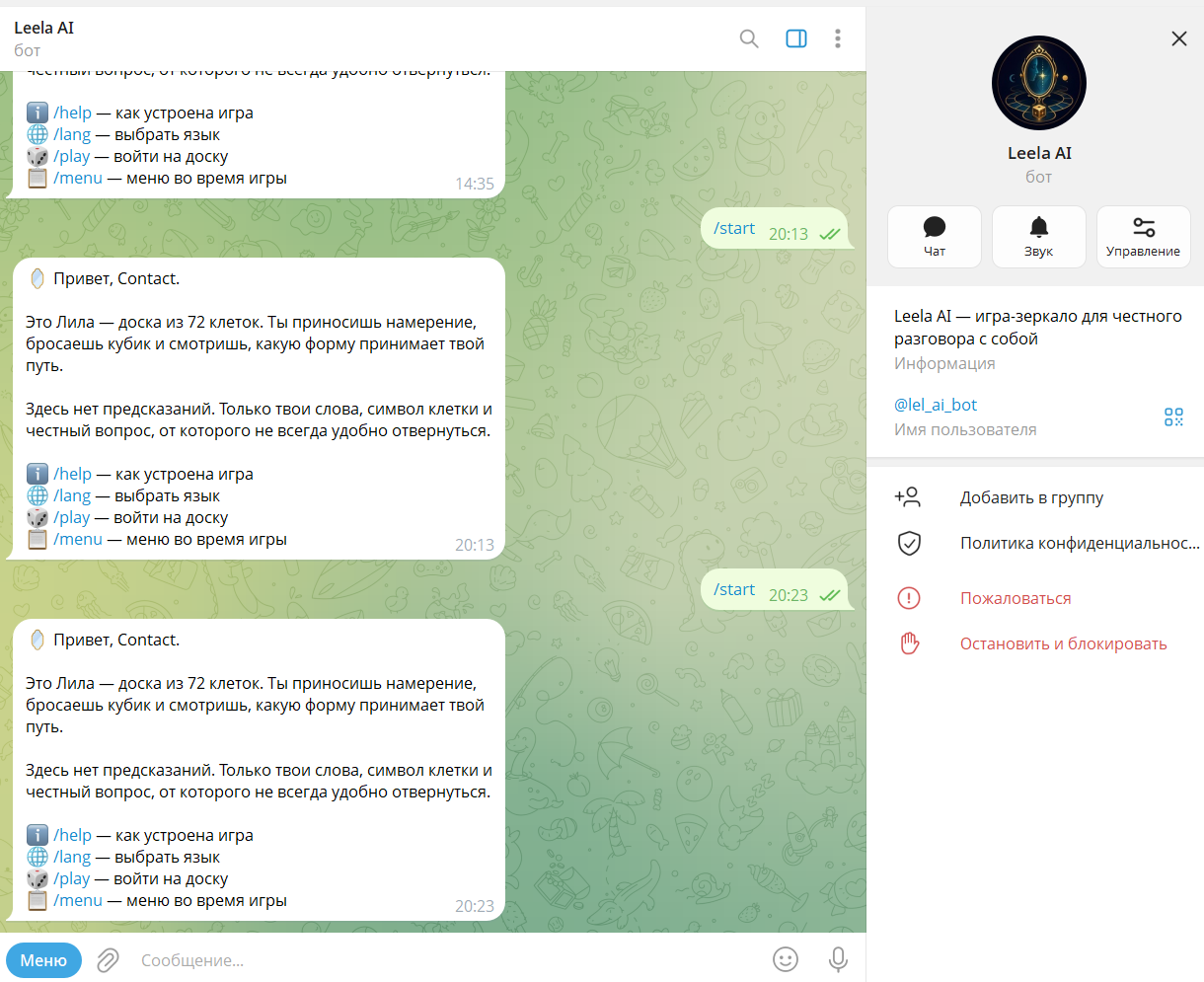
Teams often ask whether a new Telegram product should be a bot or a Mini App. The more useful question is where each user action works best. Bots are strong at conversation, commands, notifications and lightweight decisions. Mini Apps are strong when a task needs visual structure, multiple controls, persistent navigation or a richer application state.
This is not a permanent choice between two competing technologies. A Mini App is normally launched and supported by a bot. The product can keep simple interactions in chat and open an interface only when the task becomes too dense for messages and buttons.
Choose a bot for short conversational loops
- Notifications, reminders and status changes that should arrive proactively.
- Simple data collection with a small number of predictable steps.
- Commands, moderation, routing and integrations inside groups or channels.
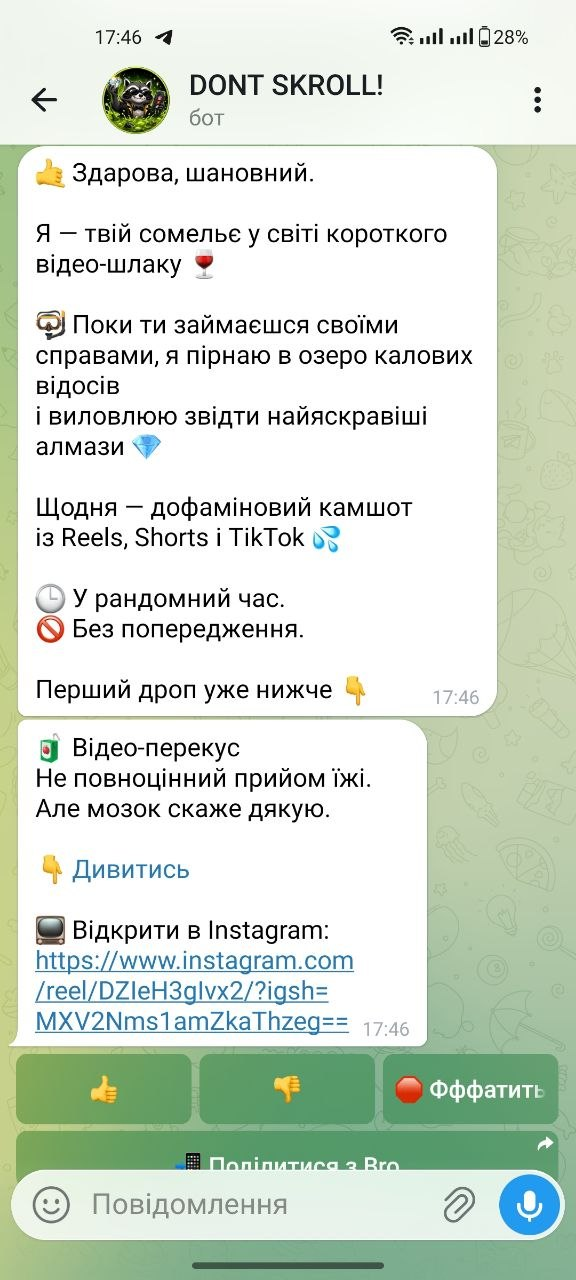
- Content delivery where the message itself is the product experience.
Bots are easy to re-enter because the conversation remains in the chat list. They also create a clear history of messages and actions. But a long branching questionnaire, catalogue or dashboard can become exhausting when every change produces another message.
Choose a Mini App for visible state
- Catalogues, carts, bookings and orders with several editable fields.
- Dashboards, games and tools where users need to see the whole state at once.
- Search, filters, maps, calendars or drag-and-drop interactions.
- Account areas that need navigation and repeated use.
A Mini App gives the product a controlled canvas. It can still use Telegram identity and bot notifications, while presenting the interaction as an application instead of a message sequence.
Use both when the lifecycle needs both
A commerce flow can begin with a campaign message, open a Mini App for product selection and checkout, then return to chat with a receipt and delivery update. A community tool can send a moderation alert, open the exact record in a Mini App and confirm the decision in chat. The handoff should be deliberate and reversible.
discover in chat → open rich task → complete action → confirm in chat → re-engage when usefulThe decision checklist
Count the number of choices a user must see at the same time. Ask whether an action needs immediate visual feedback, whether users must compare items, and whether the task should survive an interrupted session. Then consider who will operate the product, how permissions work and what happens when an API or payment step fails.
Keep the conversation conversational. Move the interface-heavy work into an interface.
When we design Telegram products, we define the shared backend and user journey first. Bot messages and Mini App screens then become two coordinated surfaces of the same product instead of separate features competing for attention.